

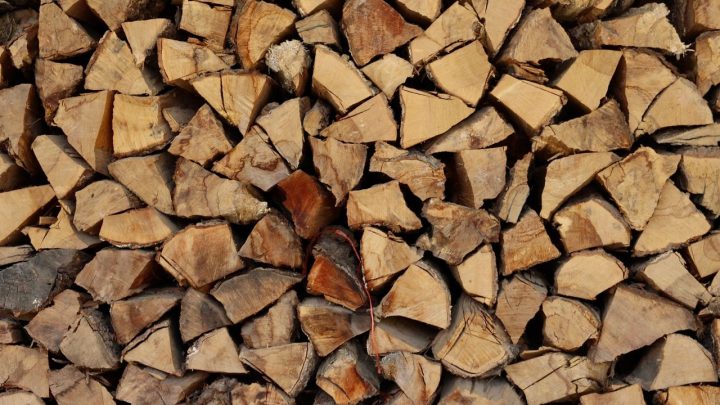
A fireplace can provide warmth, comfort and a welcoming atmosphere, but the type of wood used can make a noticeable difference to how well it performs. Some firewood burns slowly and steadily, while other varieties ignite quickly and are better suited to starting a fire. Choosing the right wood can also affect smoke production, heat output, ash levels and how often the fireplace needs attention.
When comparing firewood for sale, it is important to look beyond price alone. Wood species, moisture content, log size, storage conditions and intended use all influence the quality of a load. Properly seasoned hardwood is generally preferred for longer-lasting fires, while smaller pieces can be useful when getting the fire started.
The right choice also depends on the fireplace itself. An open fireplace, enclosed wood-burning stove and fireplace insert can have different operating requirements. Using dry, suitable firewood and following the manufacturer’s instructions can help support safer and more efficient burning. With that in mind, understanding the characteristics of common firewood types makes it easier to choose a suitable option.
Why Firewood Type Matters in a Fireplace
Not all firewood behaves in the same way when burned.
Different species have different densities, moisture levels and burning characteristics. Dense hardwoods generally contain more energy per piece than lighter woods, which means they can provide sustained heat when properly seasoned.
The moisture content of the wood is particularly important. Freshly cut or poorly seasoned logs contain significant amounts of water. Much of the fire’s energy may then be used to evaporate that moisture instead of producing useful heat.
Wet wood can also create more smoke and contribute to deposits inside the chimney or flue. For this reason, dry, well-seasoned wood is generally a better choice for a household fireplace.
Log size matters too. Large logs can burn for longer but may be harder to ignite. Smaller pieces are often useful during the early stages of a fire, while medium-sized logs can provide a practical balance between ignition and burn time.
Hardwoods Are Often a Strong Choice
Hardwoods are commonly selected for fireplaces because many varieties are relatively dense and can provide a longer, steadier burn.
Examples include oak, ash, beech and certain locally available hardwood species. Their characteristics differ, so the best option will depend on availability and local conditions.
Dense wood typically burns more slowly than lighter species. This can be useful when the objective is to maintain warmth over an extended period rather than having a fire that burns through its fuel quickly.
Hardwood is not automatically better simply because it is hardwood, however. A poorly seasoned hardwood log can perform worse than properly dried wood from another suitable species.
The condition of the wood should therefore remain a priority.
Oak for Long-Lasting Fires
Oak is widely regarded as a dependable firewood choice because of its density and relatively slow-burning characteristics.
When properly seasoned, oak can provide a sustained fire and consistent heat. Larger pieces can be particularly useful when maintaining warmth for longer periods.
One potential drawback is that dense wood can take longer to ignite. Using appropriate dry kindling and smaller pieces at the beginning of the fire can help establish a good base before larger logs are added.
Oak should also be properly dried before use. Burning freshly cut oak can result in poor combustion and excessive smoke.
Ash for Convenient Burning
Ash is another popular option for fireplaces and wood-burning appliances.
It is valued for its useful heat output and relatively straightforward burning behaviour. Compared with some other hardwoods, ash can also be easier to light and handle.
Proper seasoning remains important. Although ash is sometimes described as suitable for burning relatively soon after cutting, this should not be interpreted as meaning that wet or freshly cut wood is ideal for a household fireplace.
The safest approach is to use appropriately dry firewood and follow the requirements of the particular appliance.
Beech and Other Dense Hardwood Options
Beech is a dense hardwood that can produce a strong, steady fire when properly seasoned.
It can be suitable when consistent heat is the main priority. Like other dense woods, it generally benefits from being split into manageable pieces and adequately dried before burning.
Other hardwoods may also work well, depending on what is sustainably available in the local area. The important factors are not simply the species name but also moisture content, cleanliness and suitability for the fireplace.
Avoid assuming that every type of wood sold as firewood is appropriate for indoor burning. Some wood may have been treated, painted, contaminated or exposed to substances that make it unsuitable.
How to Choose Firewood for Your Fireplace
Choosing firewood becomes much easier when several practical factors are considered together.
- Check the moisture level. Dry, seasoned wood is generally preferable because it burns more efficiently than wet wood.
- Consider the wood species. Dense hardwoods are often useful for sustained heat, while lighter woods can be useful for starting or shorter fires.
- Choose suitable log sizes. Logs should fit comfortably inside the fireplace or appliance without being oversized.
- Inspect the condition. Avoid visibly rotten, mouldy, contaminated or chemically treated wood.
- Consider storage. Firewood should be kept protected from rain while allowing adequate airflow around the stack.
- Match the wood to the appliance. Always follow the fireplace, stove or insert manufacturer’s fuel recommendations.
- Buy an appropriate quantity. Purchasing too much wood without suitable storage can result in unnecessary deterioration.
These simple checks can prevent many common firewood problems.
Why Seasoning and Moisture Content Are So Important
Seasoning refers to the process of allowing freshly cut wood to lose moisture over time.
The exact drying period varies according to species, climate, log size, splitting, airflow and storage conditions. For that reason, there is no single timeframe that guarantees every piece of wood is ready to burn.
Well-seasoned firewood generally feels lighter than freshly cut wood and may show visible cracks at the ends. However, appearance alone is not a reliable measurement of moisture content.
A moisture meter designed for firewood can provide a more objective indication. Many experts recommend burning wood with a moisture content around 20% or lower, although appliance and local guidance should also be considered.
Wood should be stacked off the ground in a location where air can circulate. Covering the top of a stack can help protect it from precipitation, but completely enclosing wet wood can restrict airflow and slow the drying process.
Softwood Can Still Have a Useful Role
Softwoods such as pine and certain other lighter woods can burn quickly and may be useful for getting a fire established.
Their lower density means they generally burn faster than dense hardwoods. This makes them less suitable when the primary objective is a long-lasting fire, but they can still have a practical purpose.
Softwood should also be properly dry before being burned indoors. The common assumption that a particular species can be burned safely while wet should be avoided.
Some softwoods are associated with greater levels of resin and can contribute to deposits when combustion conditions are poor. Good ventilation, dry fuel and appropriate chimney maintenance remain important regardless of species.
What Wood Should You Avoid Burning?
The safest approach is to burn only clean, untreated wood that is suitable for the fireplace or appliance.
Painted, varnished, glued or chemically treated timber should not be treated as ordinary firewood. Construction offcuts and old furniture can contain coatings, adhesives or other substances that are not intended for combustion in a domestic fireplace.
Driftwood and wood contaminated by chemicals or other pollutants should also be avoided.
Burning household waste is not an appropriate substitute for firewood. Materials can release harmful substances, produce excessive smoke or create conditions that increase the risk of chimney problems.
When buying firewood, asking the supplier about the wood species, seasoning and intended use can help you make a more informed decision.
Storing Firewood Correctly
Good storage protects the investment in firewood and helps maintain its condition.
Wood should ideally be stored somewhere dry, well ventilated and raised away from direct ground contact. A simple covered structure or roofed storage area can provide protection from rain while still allowing air movement.
Avoid tightly wrapping an entire stack in impermeable material if the wood is still drying. Trapped moisture can encourage mould and slow the seasoning process.
Keeping firewood away from excessive moisture is particularly important during periods of heavy rain. Wood that repeatedly becomes wet can take longer to reach a suitable moisture level.
Storage should also be positioned sensibly around the home. Keep combustible materials at an appropriate distance from fireplaces, chimneys and other heat sources, and follow local fire-safety recommendations.
Getting Better Results From Every Fire
Even good-quality firewood can perform poorly if a fireplace is operated incorrectly.
Start with dry kindling and smaller pieces to establish a stable flame. Once the fire is burning properly, larger logs can be introduced gradually.
Avoid overcrowding the firebox. A fire needs an appropriate supply of air for combustion, and the fireplace manufacturer’s operating instructions should always take priority.
A chimney or flue should also be inspected and maintained as recommended. The frequency required can depend on the appliance, how often it is used and the type of fuel being burned.
Signs such as persistent excessive smoke, difficulty maintaining a fire or unusual odours should not simply be ignored. The appliance and flue may need professional inspection.
Common Firewood Buying Mistakes
A low price does not necessarily represent good value if the wood contains too much moisture or consists of unsuitable pieces.
Buying by volume can also be confusing because loads may be stacked tightly or loosely. Asking how the quantity is measured can provide a clearer understanding of what you are receiving.
Another mistake is purchasing an entire winter’s supply without having adequate storage. Firewood exposed to rain and poor ventilation may deteriorate before it can be used.
It is also worth checking whether the supplier clearly identifies the type and condition of the wood. A reputable supplier should be able to provide basic information about the product rather than relying solely on vague descriptions.
Choosing the Right Firewood for Your Needs
The ideal firewood depends on what you want from your fireplace.
For longer-lasting warmth, a dense and properly seasoned hardwood is often a practical option. For quick ignition, smaller pieces and suitable kindling can be helpful. A combination of sizes can make managing a household fire easier.
When looking at firewood for sale, consider the complete package: species, moisture content, log dimensions, cleanliness, quantity and storage requirements. This approach is more useful than choosing purely on the basis of the cheapest advertised load.
Most importantly, only burn fuel that is appropriate for the appliance and follow the manufacturer’s safety instructions. Regular maintenance of the fireplace, chimney or flue is equally important.
A good fire starts with good fuel, but safe operation matters just as much. Selecting clean, suitably seasoned wood and storing it correctly can help a fireplace deliver more consistent warmth while reducing unnecessary smoke and fuel waste. With the right preparation, choosing and using firewood becomes a straightforward part of responsible fireplace ownership.