Construction

Common plumbing issues affecting homes in Randburg

10 Common Plumbing Problems Found in Randburg Homes

Plumbing systems play a vital role in the comfort, hygiene, and functionality of every home. Whether it is supplying clean water, removing wastewater, or supporting daily household activities, a well-maintained plumbing system helps prevent inconvenience and costly repairs. However, even the best plumbing installations can develop issues over time due to wear and tear, environmental conditions, and regular usage.

Homeowners often encounter a variety of plumbing challenges that range from minor annoyances to major emergencies. Identifying these problems early can help prevent water damage, reduce utility costs, and extend the lifespan of plumbing fixtures and pipes. Understanding the most common issues also makes it easier to know when professional assistance may be required.

Many property owners rely on experienced Randburg plumbers when plumbing concerns arise, but knowing what to watch for can help homeowners take proactive steps before problems become severe. Below are ten of the most common plumbing issues found in residential properties throughout the area.

Leaking Taps

A dripping tap may seem like a small inconvenience, but it can waste a significant amount of water over time. Even a slow, steady drip can increase water bills and contribute to unnecessary water consumption.

Leaks often occur because of worn washers, damaged seals, corrosion, or faulty internal components. While some minor repairs are straightforward, persistent leaks may indicate deeper issues within the fixture.

Ignoring a leaking tap can lead to additional wear on plumbing components and increase the likelihood of more extensive repairs in the future.

Blocked Drains

Blocked drains are among the most frequent plumbing problems homeowners encounter. Kitchen sinks, bathroom basins, showers, and outdoor drainage systems can all become clogged over time.

Common causes include grease buildup, food particles, soap residue, hair, and foreign objects that accidentally enter the drainage system. Outdoor drains may also become blocked by leaves, dirt, and tree roots.

Slow-draining water, unpleasant odours, and gurgling sounds are often early warning signs that a blockage is developing.

Running Toilets

A toilet that continues running after flushing can waste hundreds of litres of water each day. This issue is often caused by faulty flapper valves, damaged fill mechanisms, or incorrect float settings.

Many homeowners delay addressing a running toilet because it appears to be a minor issue. However, continuous water flow can significantly increase monthly utility expenses.

Prompt repairs not only conserve water but also help maintain efficient plumbing performance throughout the home.

Low Water Pressure

Low water pressure can make everyday activities frustrating. Showering, washing dishes, and filling appliances become less efficient when water flow is weak.

Several factors can contribute to reduced pressure, including mineral buildup inside pipes, hidden leaks, partially closed valves, or problems within the municipal water supply.

Diagnosing the source of low pressure is important because the underlying cause may affect other parts of the plumbing system.

Burst or Damaged Pipes

Pipe damage can occur for various reasons, including ageing materials, corrosion, shifting soil, excessive pressure, or accidental impact during construction work.

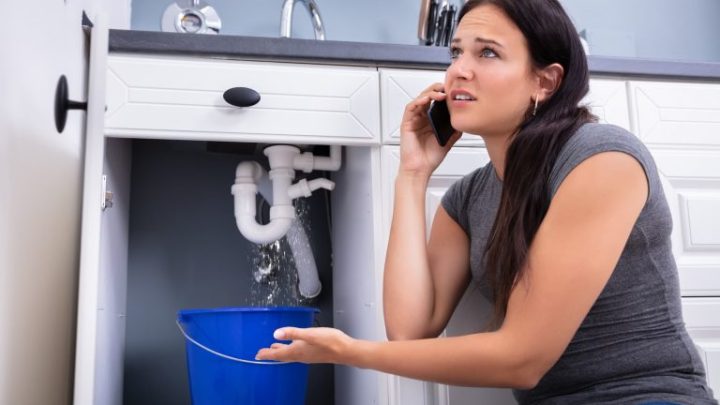
A burst pipe can release large volumes of water in a short period, causing significant structural damage to walls, flooring, ceilings, and personal belongings.

Warning signs may include unexplained damp patches, water stains, mould growth, or a sudden drop in water pressure. Early detection can minimise repair costs and prevent extensive property damage.

Water Heater Problems

Reliable hot water is essential for daily comfort. When water heaters develop faults, homeowners may experience inconsistent temperatures, insufficient hot water, unusual noises, or complete system failure.

Sediment accumulation inside the tank is a common issue that can reduce efficiency and shorten the lifespan of the unit. Faulty thermostats, heating elements, and pressure relief valves can also contribute to performance problems.

Regular maintenance helps ensure that water heating systems operate safely and efficiently throughout the year.

Hidden Water Leaks

Not all plumbing leaks are immediately visible. Some occur behind walls, beneath flooring, or underground, making them difficult to detect without professional equipment.

Hidden leaks can gradually cause serious damage to building materials while creating ideal conditions for mould and mildew growth. They may also lead to unexpectedly high water bills.

Homeowners should pay attention to warning signs such as unexplained moisture, peeling paint, musty odours, or unusually high water consumption.

Sewer Line Blockages

Sewer line problems can quickly become serious if left unresolved. These blockages often result from grease accumulation, foreign objects, collapsed pipes, or invasive tree roots.

When a sewer line becomes obstructed, wastewater may drain slowly or even back up into sinks, showers, and toilets. Foul smells around the property can also indicate sewer system issues.

Professional inspection is typically necessary to determine the exact cause and extent of the blockage.

Faulty Plumbing Fixtures

Plumbing fixtures naturally deteriorate with age. Taps, showerheads, valves, and other components can become worn, corroded, or damaged through years of use.

Faulty fixtures may leak, perform inefficiently, or fail completely. In some cases, replacing outdated fixtures can improve water efficiency and reduce household water consumption.

Routine inspections help identify ageing components before they create larger plumbing problems.

Tree Root Intrusion

Tree roots are a surprisingly common cause of plumbing issues. As roots search for moisture, they can enter tiny cracks in underground pipes and gradually expand within the system.

Over time, root intrusion may restrict water flow, create blockages, and even cause pipes to crack or collapse. The problem often develops slowly, making it difficult to detect until significant damage has occurred.

Properties with mature trees should periodically have underground plumbing systems inspected to identify potential root-related issues early.

Why Early Detection Matters

Many plumbing problems start small and gradually worsen over time. A minor leak can become a major repair. A slow drain can develop into a complete blockage. A running toilet can quietly waste large amounts of water month after month.

Regular inspections and timely maintenance help reduce repair costs, improve water efficiency, and protect the value of a property. Homeowners who address issues promptly often avoid the disruption and expense associated with emergency plumbing repairs.

Experienced Randburg plumbers frequently recommend preventative maintenance because it allows small concerns to be identified before they develop into serious plumbing failures.

Signs You Should Not Ignore

While some plumbing issues are obvious, others may be more subtle. Homeowners should pay close attention to warning signs that indicate professional assessment may be necessary.

• Unexpected increases in water bills
• Persistent dripping taps or leaking fixtures
• Slow-draining sinks, showers, or baths
• Unusual noises from pipes or water heaters
• Water stains on walls or ceilings
• Damp or mouldy areas inside the home
• Reduced water pressure throughout the property
• Persistent unpleasant odours from drains

Recognising these signs early can help prevent more extensive damage and maintain the long-term health of a home’s plumbing system.

A well-functioning plumbing system contributes to comfort, safety, and efficient water usage. By understanding the most common problems found in residential properties, homeowners can take preventative measures and respond quickly when issues arise. Regular maintenance, timely repairs, and professional inspections remain some of the most effective ways to keep plumbing systems operating reliably for years to come.

Municipal regulations guiding modern land use planning decisions

The Role of Municipal Regulations in Modern Land Use Planning

At the same time, modern planning approaches recognize that communities are dynamic and constantly evolving. Regulations must therefore balance consistency with flexibility, allowing municipalities to respond to emerging trends, technological advances, and shifting social needs. This balance helps create resilient communities that can adapt to future challenges while maintaining a high quality of life for residents and businesses alike.

Understanding Municipal Regulations in Development Management

Municipal regulations are the rules, policies, bylaws, and procedures established by local authorities to guide development within their jurisdictions. These regulations influence how property may be used, what types of structures can be built, and how development proposals are evaluated before approval. They serve as practical tools for implementing long-term planning objectives while ensuring that development aligns with community interests.

These regulations often cover a wide range of considerations, including zoning controls, density requirements, building setbacks, parking provisions, environmental protection measures, infrastructure contributions, and public participation processes. Together, these elements create a framework that helps municipalities manage growth in a predictable and coordinated manner.

The effectiveness of municipal regulations depends on their ability to provide clarity for property owners, developers, investors, and residents. Well-designed regulations reduce uncertainty, support informed decision-making, and promote transparency throughout the development process. They also help local governments maintain consistency when reviewing applications and assessing potential impacts on surrounding areas.

Supporting Sustainable Community Growth

One of the most significant functions of municipal regulations is their role in promoting sustainable growth. Communities that experience rapid expansion often face competing demands for housing, commercial space, transportation infrastructure, and environmental conservation. Regulations help local authorities balance these interests while minimizing negative long-term consequences.

Through strategic planning policies, municipalities can encourage development in areas that are already supported by existing infrastructure while protecting environmentally sensitive locations from inappropriate development. This approach reduces pressure on public resources and helps contain urban sprawl, which can increase service delivery costs and contribute to environmental challenges.

Sustainable growth also requires careful consideration of future population needs. Municipal regulations allow planners to forecast growth patterns and establish development guidelines that support adequate housing, employment opportunities, public facilities, and transportation networks. By coordinating these elements, municipalities can create more efficient and livable communities.

Managing Land Use Compatibility

One of the primary objectives of regulatory frameworks is ensuring compatibility between different land uses. Conflicts often arise when incompatible activities are located too close together, potentially affecting property values, quality of life, and business operations. Municipal regulations help prevent such conflicts by establishing designated areas for specific types of development.

For example, residential neighborhoods may be protected from certain industrial activities that generate excessive noise, traffic, or environmental impacts. Commercial developments may be directed toward areas with suitable road access and infrastructure capacity. Public facilities, parks, and community amenities can be strategically positioned to serve local residents while enhancing neighborhood character.

Key benefits of compatibility-focused regulations include:

  • Reduced conflict between neighboring properties
  • Improved public health and safety outcomes
  • Better protection of environmental resources
  • Enhanced property market stability
  • More efficient use of infrastructure investments

By carefully managing relationships between different land uses, municipalities can create environments that support both economic activity and community well-being.

The Role of Public Participation in Regulatory Processes

Modern planning practices increasingly recognize the value of public involvement in shaping development outcomes. Municipal regulations often require consultation processes that give residents, property owners, businesses, and other stakeholders opportunities to provide input on proposed developments and policy changes.

Public participation contributes to more informed decision-making by incorporating local knowledge and community perspectives into planning discussions. Residents frequently identify concerns or opportunities that may not be immediately apparent during technical assessments. Their input can help municipalities address potential issues before development proceeds.

Effective engagement also strengthens transparency and accountability. When community members understand how decisions are made and have opportunities to participate in the process, trust in local government institutions tends to increase. This collaborative approach supports more balanced outcomes and helps build consensus around development initiatives.

Regulatory Tools Used in Contemporary Planning

Municipalities employ a variety of regulatory mechanisms to guide development and implement planning objectives. These tools work together to manage growth, coordinate infrastructure investments, and support community priorities.

Some of the most commonly used regulatory tools include:

  1. Zoning schemes that designate permitted land uses and development rights.
  2. Development control measures that establish standards for building design, density, and site layout.
  3. Environmental management requirements that protect natural resources and sensitive ecosystems.
  4. Spatial planning frameworks that guide long-term growth and investment patterns.

Each of these tools serves a specific purpose while contributing to broader planning objectives. Their combined application helps municipalities maintain orderly development and respond effectively to changing conditions.

Balancing Economic Development and Regulatory Oversight

Economic growth remains a key priority for many municipalities, but it must be balanced with responsible oversight. Regulations should facilitate investment and development opportunities while ensuring that projects contribute positively to community objectives. Excessively restrictive requirements may discourage investment, while insufficient oversight can create long-term challenges that are costly to address.

Achieving this balance requires ongoing review and refinement of planning policies. Municipalities must regularly evaluate whether existing regulations remain relevant and effective in addressing current development trends. This process often involves stakeholder engagement, policy analysis, and consideration of emerging economic and environmental factors.

A balanced regulatory environment can support business confidence while safeguarding public interests. Investors and developers benefit from predictable approval processes, while communities benefit from development that aligns with long-term planning goals.

Addressing Environmental and Infrastructure Considerations

Environmental sustainability has become an increasingly important component of municipal planning frameworks. Regulations often incorporate measures designed to protect natural resources, preserve biodiversity, manage stormwater, and reduce environmental impacts associated with development.

Infrastructure planning is equally important. Roads, water systems, sanitation networks, energy infrastructure, and public transportation services must be capable of supporting anticipated growth. Municipal regulations help ensure that development occurs in areas where infrastructure can be provided efficiently and sustainably.

Effective land use planning integrates environmental and infrastructure considerations into development decision-making. This integrated approach allows municipalities to identify potential challenges early and implement solutions that support both environmental stewardship and community development objectives.

Adapting Regulations for Future Growth

The challenges facing municipalities continue to evolve as technology, demographics, and economic conditions change. Planning regulations must remain flexible enough to accommodate innovation while preserving the principles that support sustainable development.

Emerging trends such as mixed-use developments, smart city technologies, renewable energy integration, and alternative transportation systems are influencing how communities are planned and managed. Municipal regulations increasingly need to address these developments while maintaining clarity and consistency for stakeholders.

Successful municipalities view regulations not as static rules but as evolving tools that support long-term community objectives. Through regular review, stakeholder engagement, and evidence-based policy development, local governments can ensure that regulatory frameworks remain effective in guiding future growth.

As communities continue to grow and change, the importance of sound regulatory systems becomes increasingly apparent. Municipal regulations provide the foundation for orderly development, environmental protection, infrastructure coordination, and economic resilience. When implemented thoughtfully, they help create vibrant, sustainable places where residents, businesses, and future generations can thrive. The continued evolution of land use planning will remain essential to achieving these outcomes in an increasingly complex and interconnected world.

Pipe corrosion inspection in Durban home affected by coastal moisture

Leak Detection Durban: Coastal climate risks that increase hidden water leaks

Coastal environments bring a unique set of challenges to homes and buildings, especially when it comes to plumbing systems. In areas exposed to salty air, high humidity, and fluctuating weather patterns, hidden water leaks can develop faster and become more severe than many property owners expect. These issues often remain unnoticed until they cause visible damage, making early awareness and proactive maintenance essential.

Durban’s climate, with its mix of coastal moisture and seasonal rainfall, creates the perfect conditions for plumbing vulnerabilities. Over time, this environment can accelerate corrosion, weaken pipe joints, and contribute to subtle structural shifts. These factors combine to increase the likelihood of concealed leaks forming behind walls, under floors, or within outdoor piping systems.

Understanding how environmental conditions contribute to plumbing issues helps property owners make informed decisions. Professional leak detection Durban services play a crucial role in identifying hidden problems before they escalate into costly repairs or health risks, particularly in coastal regions where damage can progress rapidly.

How Coastal Humidity Affects Plumbing Systems

Humidity is one of the most persistent environmental factors in coastal cities. Constant exposure to moist air affects both visible and hidden plumbing components. Pipes made from metal are especially vulnerable, as prolonged moisture exposure accelerates oxidation and corrosion.

Even non-metallic materials are not immune. Seals, joints, and adhesives can degrade over time when exposed to continuous humidity. This degradation often leads to micro-leaks that are difficult to detect without specialized tools.

In addition, high humidity levels contribute to condensation buildup. When warm, moist air comes into contact with cooler pipe surfaces, water droplets form. Over time, this repeated condensation can mimic or mask actual leaks, complicating the detection process and increasing the risk of unnoticed water damage.

The Impact of Salt Air on Pipe Integrity

Salt in the air is another major contributor to plumbing deterioration in coastal areas. Unlike inland regions, properties near the ocean are exposed to airborne salt particles that settle on surfaces, including pipes and fittings.

Salt accelerates the corrosion process, particularly in metals like copper and steel. This corrosion weakens pipe walls, making them more susceptible to cracks and leaks. Even small amounts of structural damage can lead to slow, hidden leaks that worsen over time.

Outdoor plumbing systems are especially at risk. Irrigation pipes, exterior taps, and exposed water lines face direct contact with salty air, increasing their vulnerability. Without proper protection or maintenance, these systems often develop leaks that go unnoticed until water pressure drops or visible damage appears.

Seasonal Rainfall and Underground Leaks

Durban’s rainfall patterns introduce another layer of complexity. Heavy rains can saturate the soil, placing additional pressure on underground pipes. This pressure can cause pipes to shift, crack, or disconnect at joints.

Waterlogged soil also makes it harder to detect leaks early. Excess moisture in the ground can mask signs such as pooling water or damp patches, delaying intervention. Over time, undetected leaks can erode soil around foundations, leading to structural instability.

Property owners should be particularly vigilant during and after rainy seasons. Changes in water pressure, unexpected increases in water bills, or persistent damp smells may indicate hidden issues below the surface.

Warning Signs That Should Not Be Ignored

Hidden leaks rarely remain completely silent. While they may not be immediately visible, they often present subtle warning signs that indicate underlying problems.

  1. Unexplained increases in water bills despite normal usage
  2. Persistent damp or musty odors in certain areas of the property
  3. Discoloration or bubbling paint on walls and ceilings
  4. Reduced water pressure in taps or showers
  5. The sound of running water when all fixtures are turned off

Recognizing these signs early can prevent extensive damage. Ignoring them, however, often leads to more complex and expensive repairs.

Why Professional Detection Methods Matter

Modern leak detection relies on advanced technology designed to locate hidden issues without causing unnecessary disruption. Traditional methods often involved breaking walls or digging up floors, which added to repair costs and inconvenience.

Today, professionals use non-invasive techniques such as acoustic sensors, thermal imaging, and pressure testing. These tools allow technicians to pinpoint the exact location of a leak with minimal damage to the property.

Accurate detection not only saves time but also reduces the risk of secondary damage. By addressing the root cause quickly, property owners can avoid complications such as mold growth, structural weakening, and long-term water waste.

Preventative Measures for Coastal Properties

Preventing leaks is always more cost-effective than repairing damage after it occurs. In coastal regions, proactive maintenance is especially important due to the added environmental stress on plumbing systems.

Regular inspections help identify early signs of wear and corrosion. Replacing aging pipes, reinforcing vulnerable joints, and applying protective coatings can significantly extend the lifespan of plumbing infrastructure.

Here are practical steps property owners can take:

  • Schedule routine plumbing inspections at least once a year
  • Use corrosion-resistant materials for replacements or upgrades
  • Insulate pipes to reduce condensation buildup
  • Monitor water usage for unusual changes
  • Ensure proper drainage around the property to prevent soil saturation

These measures not only reduce the likelihood of leaks but also improve overall system efficiency.

The Cost of Ignoring Hidden Leaks

Failing to address hidden leaks can have serious financial and health implications. Water damage often spreads beyond the initial source, affecting walls, flooring, and even electrical systems. Over time, repair costs can escalate significantly.

Mold and mildew growth is another major concern. Damp environments provide ideal conditions for these organisms to thrive, potentially impacting indoor air quality and causing respiratory issues.

Structural damage is perhaps the most severe consequence. Prolonged exposure to moisture can weaken foundations, compromise load-bearing elements, and reduce the overall integrity of a building. These risks highlight the importance of timely intervention and professional assessment.

Long-Term Benefits of Early Detection

Investing in early detection offers both immediate and long-term advantages. It minimizes repair costs, preserves property value, and ensures a safer living environment. More importantly, it provides peace of mind, knowing that potential issues are addressed before they become major problems.

In coastal areas, where environmental factors constantly challenge infrastructure, staying ahead of plumbing issues is essential. By understanding the risks and taking proactive steps, property owners can protect their investments and avoid unnecessary disruptions.

Addressing problems through reliable leak detection Durban services ensures that hidden leaks are identified accurately and resolved efficiently, even in the face of challenging coastal conditions.

professional house painters near me painting interior wall

What Do House Painters Charge? A Breakdown of Labour, Materials, and Hidden Costs

Fresh paint can completely transform a property. Walls look cleaner. Spaces feel brighter. Curb appeal improves almost instantly.

But before starting, most homeowners ask the same practical question: what does it actually cost? Searching for house painters near me often brings up dozens of options, each quoting different rates and services. Without understanding what goes into those numbers, it is difficult to know whether a quote is fair or inflated.

Painting is more than just rolling colour onto a wall. Labour, preparation, materials, surface condition, and even access challenges all influence the final invoice. If you understand these components, you can budget accurately and avoid unpleasant surprises.

Understanding How Professional Painters Structure Pricing

Professional painters typically calculate costs using one of three methods: per square metre, per room, or as a full project rate. The approach depends on the scope of work and the complexity of the surfaces involved.

Interior painting is often priced per square metre of wall space. Exterior projects may include additional considerations such as scaffolding, height, and weatherproof coatings. Some contractors prefer a fixed quote after assessing the property in person, which often produces the most accurate estimate.

Rates vary significantly based on:

  • Geographic location

  • Property size and layout

  • Type of paint selected

  • Surface preparation required

When comparing quotes, ensure you are evaluating like-for-like services. A lower price may exclude preparation work or high-quality coatings.

Labour Costs: What You’re Really Paying For

Labour usually accounts for the largest portion of a painting quote. This includes more than just the time spent applying paint.

A professional crew performs detailed preparation, careful masking, surface repairs, sanding, priming, and final clean-up. Skilled painters also work efficiently while maintaining consistent finishes.

Labour pricing typically covers:

  1. Surface inspection and assessment

  2. Filling cracks and repairing minor damage

  3. Sanding and smoothing rough areas

  4. Masking fixtures, windows, and floors

  5. Applying primer where necessary

  6. Applying multiple coats for proper coverage

  7. Cleaning and disposal after completion

The complexity of these steps affects cost. High ceilings, intricate trim, textured walls, and difficult access points increase labour time. Exterior painting often costs more due to weather exposure, safety measures, and specialised coatings.

While it may be tempting to choose the cheapest contractor, experience and workmanship directly impact durability. Poor application can lead to peeling, bubbling, or uneven finishes within months.

Material Costs: Paint Quality Makes a Difference

Not all paint is created equal. Material selection significantly affects both the upfront price and long-term value.

Paint pricing depends on brand, finish type, and formulation. Premium paints often offer better coverage, meaning fewer coats are required. They also resist fading, moisture, and staining more effectively.

Key material factors include:

  1. Primer requirements

  2. Interior versus exterior formulations

  3. Specialty coatings for damp areas

  4. Eco-friendly or low-VOC options

  5. Protective sealants for high-traffic zones

High-quality paint may cost more initially but often reduces maintenance costs over time. Inferior products may require repainting sooner, increasing overall expenditure.

When reviewing quotes, ask whether materials are included or billed separately. Some contractors allow homeowners to purchase paint independently, though professionals often receive trade discounts.

Preparation Work and Surface Condition

Preparation can dramatically change the final price. A newly built home with smooth plaster requires far less work than an older property with cracks, flaking paint, or water damage.

Surface repairs may involve patching holes, replacing damaged boards, treating mould, or removing old coatings. These steps are essential for achieving a durable finish.

If extensive preparation is needed, contractors may charge additional labour fees. This is not an unnecessary upsell. Skipping preparation almost always results in premature paint failure.

When homeowners search for house painters near me, they often focus only on the base rate. However, preparation work can represent a substantial portion of the overall budget.

Interior vs Exterior Painting Costs

Interior painting generally costs less than exterior work. Indoor environments are controlled, protected from weather, and easier to access.

Exterior painting involves additional challenges:

  • Weather dependency

  • Height and ladder safety

  • Surface cleaning or pressure washing

  • Weather-resistant coatings

  • Potential scaffolding

Exterior surfaces also experience sun exposure, moisture, and temperature fluctuations. Paint used outdoors must withstand these elements, which increases material costs.

Because of these variables, exterior projects often have a wider pricing range. Proper preparation and high-quality coatings are especially important to protect the structure long term.

Size of the Property and Scope of Work

Naturally, larger homes require more paint and more labour hours. However, layout efficiency also matters.

Open-plan areas are often quicker to paint than multiple small rooms with tight corners and trim work. Staircases, vaulted ceilings, and architectural details increase time and complexity.

Contractors may also factor in:

  1. Number of coats required

  2. Colour changes (dark to light often needs extra coats)

  3. Doors, skirting boards, and trim painting

  4. Ceiling repainting

  5. Cabinet or built-in unit refinishing

Each of these elements adds incremental cost. A detailed quote should clearly outline what is included so you can compare providers accurately.

Hidden Costs That Homeowners Often Overlook

Many painting budgets fail because certain costs were not anticipated at the beginning.

Common hidden expenses include minor carpentry repairs, waterproofing treatments, extensive crack repairs, and mould remediation. Furniture moving and storage protection can also incur additional fees if not previously agreed upon.

Some contractors charge for:

  • Colour consultations

  • Urgent or accelerated timelines

  • After-hours work

  • Travel outside service areas

Clarifying these factors before signing a contract prevents misunderstandings later. Always request a written breakdown that specifies inclusions and exclusions.

How to Evaluate Quotes Professionally

Price alone should not determine your decision. Instead, evaluate scope, materials, warranty, and experience.

A professional quote should include:

  • Detailed description of preparation work

  • Number of coats

  • Paint brand or quality level

  • Timeline for completion

  • Payment terms

  • Warranty or workmanship guarantee

If a quote appears unusually low, verify whether preparation, primer, or premium finishes are excluded. Cheap quotes often rely on shortcuts that compromise longevity.

Homeowners researching house painters near me should also check references and past projects. A reputable contractor will willingly provide examples of previous work.

Ways to Manage and Reduce Painting Costs

While painting is an investment, there are practical strategies to control expenses without sacrificing quality.

  1. Schedule during off-peak seasons when contractors may offer competitive pricing.

  2. Keep colour changes minimal to reduce additional coats.

  3. Ensure walls are cleared and accessible before the team arrives.

  4. Address minor repairs early to prevent larger issues.

Avoid cutting corners on preparation or paint quality. Long-term durability matters more than short-term savings.

Why Professional Painting Is Often Worth the Investment

DIY painting may appear cheaper at first glance. However, improper preparation, uneven coats, and product misuse often lead to disappointing results.

Professionals bring efficiency, proper equipment, and technical expertise. They understand drying times, environmental conditions, and surface compatibility. This knowledge directly affects the finish and lifespan of the paint.

In addition, reputable contractors carry insurance, reducing homeowner liability in case of accidents or property damage.

Ultimately, a well-executed paint job enhances property value, protects surfaces, and improves daily living spaces. Understanding labour, materials, preparation, and hidden costs allows you to budget confidently and choose the right professional for your needs.

workspace showing large-scale architectural drafts

How Commercial Architects Help Protect Your Investment Through Detailed As-Built Plans

Every building tells a story, but without proper documentation, that story can become fragmented or even lost over time. For property owners, knowing exactly how a structure was completed is crucial for maintenance, renovations, and legal compliance. As buildings evolve through construction adjustments, minor design changes, or contractor improvisations, the original drawings often no longer match the reality. This is where as-built plans become indispensable. Engaging experienced professionals such as commercial architects ensures these plans are precise, reliable, and actionable for any future project.

Many property owners only realise the importance of these documents when they face renovations, inspections, or insurance claims. Even slight inaccuracies in recorded layouts can lead to delays, unforeseen costs, or regulatory issues. By having as-built plans, owners have a clear reference of the building as it exists, which can simplify almost every decision involving the property.

Beyond just practical utility, accurate as-built documentation is a safeguard for your investment. Whether planning long-term maintenance, upgrading facilities, or transferring ownership, having precise information about your building supports confident and efficient management. Professionals like commercial architects can guide property owners in capturing the complete, real-world condition of a property for these purposes.

Understanding As-Built Plans

As-built plans are a refined version of construction drawings that reflect the actual finished building, rather than the intended design. They incorporate every adjustment made during construction, from relocated walls to revised electrical circuits and structural modifications. Essentially, they are a mirror of reality, offering a complete and accurate representation of the property.

Key features of as-built documentation include:

  • Accurate floor layouts and dimensions

  • Mechanical, electrical, and plumbing schematics

  • Elevation and section drawings

  • Updated site and landscape plans

These plans are typically developed through detailed surveys, site measurements, and verification by architects, engineers, and surveyors. Advanced tools like 3D scanning or laser mapping are sometimes used, especially for large-scale commercial projects, ensuring precision and clarity.

The Role in Maintenance and Repairs

Maintenance becomes far more efficient when the true layout of a building is known. Without accurate records, locating hidden services such as water lines, electrical conduits, or structural supports can become costly and time-consuming. With comprehensive as-built plans, repair teams can:

  • Identify service routes and components quickly

  • Reduce invasive procedures like unnecessary wall removal

  • Lower labour costs through precise planning

  • Avoid accidental damage to other systems

This level of clarity also ensures that any preventative maintenance is correctly targeted, prolonging the life of the property’s infrastructure and reducing unexpected failures.

How Renovations Benefit

Renovation projects rely heavily on understanding the existing structure. Without as-built plans, contractors and designers may need to perform extensive investigations just to confirm what is in place. Accurate documentation allows for:

  1. Efficient evaluation of structural load capacities

  2. Correct placement of new electrical, plumbing, or HVAC systems

  3. Improved budgeting through precise measurements

  4. Faster approval from authorities for modifications

For commercial properties, where multiple teams may be involved and operations continue during renovations, having reliable plans reduces downtime and prevents costly mistakes.

Legal and Compliance Considerations

Municipal authorities often require verified building documentation when issuing certificates of occupancy or approving renovation plans. As-built plans demonstrate that modifications align with approved designs, avoiding potential fines or legal complications.

Insurance companies may also request these documents after damage events. Detailed as-built plans help establish the pre-incident condition of the property, streamlining claims and providing clear evidence in case of disputes. Property owners who maintain up-to-date documentation can act confidently, knowing their compliance and protection are in order.

Creating Accurate As-Built Plans

Producing precise as-built plans involves systematic assessment and detailed recording. A typical process includes:

  1. Reviewing original construction drawings

  2. Conducting thorough onsite inspections and measurements

  3. Recording all deviations or modifications made during construction

  4. Updating architectural and engineering plans to reflect reality

  5. Compiling the final documentation for archiving and future use

Each step ensures that no adjustments, however minor, are overlooked. Involving commercial architects in the process ensures technical accuracy and long-term usability.

Digital Integration and Long-Term Management

Modern facilities increasingly rely on digital management platforms. Incorporating as-built plans into these systems provides:

  • Seamless tracking of structural or service modifications

  • Efficient coordination of repairs, upgrades, and inspections

  • Improved energy management and sustainability planning

  • Quick access for audits, insurance, or compliance checks

Property owners benefit from centralised, accurate data, supporting smarter decisions and efficient building management over time.

Maximising Investment Value

Accurate as-built plans are more than technical references—they are strategic tools. They:

  • Enhance resale value by providing transparency to buyers

  • Minimise risks associated with hidden defects

  • Support informed decision-making for expansions or renovations

  • Facilitate smoother dealings with contractors, inspectors, and authorities

Keeping as-built plans current and professionally verified ensures that property owners retain control and foresight over their investments.

Best Practices for Property Owners

To fully leverage as-built documentation:

  • Commission plans immediately upon project completion

  • Update records after major renovations or system replacements

  • Store digital backups alongside physical copies

  • Engage qualified professionals to verify accuracy

  • Maintain a history of updates for accountability and reference

These measures safeguard both the building’s operational efficiency and its long-term market value.

Recording the building as it truly exists transforms abstract plans into a practical asset. With precise as-built documentation, property owners are prepared for maintenance, renovations, legal requirements, and any unexpected challenges that may arise. Working with commercial architects to ensure accuracy means these documents are not just informative, but actionable—helping preserve the value and functionality of the property for years to come.

plumbers near me

Your Plumbing SOS: Tips for Safeguarding Your Home with Nearby Plumbers

Finding dependable plumbers to make sure the protection and performance of your own home’s plumbing system is a high precedence. When sudden points come up, whether or not it is a leaky faucet, a clogged drain, or a extra critical plumbing emergency, the necessity for reliable professionals who’re available turns into evident. In at the moment’s interconnected world, the key phrase “plumbers near me” has develop into the go-to search time period for owners looking for quick help with their plumbing issues. However, the method of discovering plumbers close to me goes past a easy on-line search. It includes evaluating the credentials, experience, and popularity of native plumbing professionals to make sure that they don’t seem to be solely close by but additionally able to delivering the standard service your own home deserves. In this complete information, we’ll discover the important steps you might want to take to find plumbers near me who can present environment friendly, dependable, and protected plumbing options in your dwelling. Whether you are dealing with an pressing plumbing problem or planning for preventive upkeep, this text will equip you with the data and methods essential to make knowledgeable choices on the subject of your plumbing wants.

Understanding Plumbing Safety Basics

Plumbing security begins with understanding the fundamentals of your own home’s plumbing system. Many owners are unfamiliar with the format and parts of their plumbing, which might result in points. Start by familiarizing your self with the areas of shut-off valves, particularly for the primary water provide. This data could be invaluable in case of a sudden leak or a plumbing emergency. Additionally, frequently test for uncovered pipes and insulation. Proper insulation can forestall frozen pipes in colder months, which might burst and trigger vital injury if left unattended.

Preventing Water Damage and Leaks

Water injury is without doubt one of the most typical points in houses, typically attributable to plumbing leaks. To forestall leaks, frequently examine your taps, fixtures, and visual pipes for any indicators of dripping or moisture. A dripping faucet could look like a minor annoyance, however it will probably result in wasted water and elevated water payments over time. In extreme circumstances, undetected leaks may cause mildew progress and structural injury. Contact plumbers close to me to restore leaks promptly, as their experience can establish and repair the difficulty successfully.

Childproofing Your Plumbing

If you have got younger kids, childproofing your own home’s plumbing is essential for his or her security. Curious youngsters could try to entry bathrooms or sinks, doubtlessly inflicting clogs or water wastage. Ensure that rest room lids are safe and use security latches on cupboards the place cleansing provides are saved. This not solely safeguards your plumbing but additionally prevents unintentional ingestion of dangerous chemical compounds.

Avoiding Chemical Drain Cleaners

Chemical drain cleaners would possibly look like a fast repair for clogged drains, however they are often hazardous to each your plumbing and your loved ones. These harsh chemical compounds can corrode pipes, resulting in pricey repairs. Additionally, they pose well being dangers if inhaled or touched. Instead of utilizing chemical drain cleaners, attempt safer and more practical strategies like utilizing a plunger or a plumbing snake. If the difficulty persists, attain out to skilled plumbers close to me who’ve the experience and instruments to clear cussed clogs with out inflicting injury.

Protecting Against Frozen Pipes

In colder climates, frozen pipes are a standard plumbing problem that may end up in vital injury. To defend towards frozen pipes, insulate uncovered plumbing in unheated areas, comparable to basements and crawl areas. During extraordinarily chilly climate, let taps drip barely to maintain water flowing and forestall freezing. If you observed that your pipes have frozen or are in danger, contact plumbers close to me instantly. They can assess the scenario and take acceptable motion to thaw the pipes and forestall bursting.

Choosing Reliable Plumbers Near Me

Your household’s plumbing security is carefully linked to the experience of the professionals you select. When looking for plumbing providers, discovering dependable plumbers close to me is crucial. Start by asking for suggestions from family and friends. Personal referrals can present peace of thoughts, understanding that the really useful plumbers have a historical past of high quality service. Additionally, analysis on-line critiques and test for correct licensing and insurance coverage. Reputable plumbing firms are clear about their {qualifications} and credentials, which ensures your safety in case of accidents through the job.

Conclusion: Plumbing Safety for Peace of Mind

Plumbing security is an integral side of sustaining a safe and comfy dwelling setting. From stopping water injury and leaks to childproofing your plumbing, following security measures can go a great distance in defending your loved ones and your own home. When plumbing points do come up, discovering dependable plumbers close to me is the ultimate piece of the protection puzzle. Their experience and immediate service can be certain that your plumbing issues are addressed effectively and successfully, permitting you to benefit from the peace of thoughts that comes with a well-maintained and protected plumbing system.

subdivision of property

Unlocking Potential: Exploring Property Subdivision in South Africa for Development and Investment

Subdividing property is a significant undertaking that involves dividing a larger piece of land into smaller parcels, each with its own legal ownership. This process, commonly known as subdivision of property, has gained prominence in South Africa due to the growing demand for real estate and the need to optimize land usage. In this article, we will delve into the intricacies of property subdivision in South Africa, exploring the benefits, legalities, and steps involved in the subdivide process.

Understanding Property Subdivision

What is Subdivision?

Property subdivision refers to the division of a single piece of land into multiple separate portions, each referred to as a “subdivision.” These subdivisions can vary in size and shape, depending on local regulations and the landowner’s objectives. Subdividing property can create new opportunities for real estate development, increase land value, and provide avenues for investment and expansion.

The Subdivision Process in South Africa

Legal Considerations and Regulations

Before embarking on the property subdivision journey, it’s crucial to understand the legal framework and regulations governing this process in South Africa. The Subdivision of Agricultural Land Act and the Town Planning and Townships Ordinance are two key legislations that guide property subdivision in the country. These laws ensure that the division of land is carried out in an orderly manner, taking into account factors such as zoning regulations, infrastructure, and environmental impact assessments.

Steps to Subdivide Property

Preliminary Research: The process begins with thorough research and due diligence. Landowners must understand the local zoning regulations, land use restrictions, and potential challenges associated with the subdivision.

Engage Professionals: Property owners often seek the expertise of land surveyors, town planners, and legal professionals. These experts assist in preparing the necessary documentation, surveys, and plans required for the subdivision application.

Application Submission: The landowner submits a formal application to the local municipality or relevant governing authority. This application includes detailed plans, surveys, and other essential documents outlining the proposed subdivision.

Municipal Approval: The municipality reviews the application to ensure it aligns with zoning regulations and land use policies. If the application meets the requirements, it is granted approval, allowing the subdivision process to proceed.

Land Survey: A licensed land surveyor conducts a detailed survey of the property, demarcating the boundaries of the proposed subdivisions accurately.

Services and Infrastructure: Infrastructure requirements such as roads, water supply, sewage, and electricity need to be considered and planned for each subdivision. The developer is often responsible for ensuring adequate infrastructure for the new parcels.

Title Deed Changes: After the physical division of the property and installation of necessary infrastructure, the landowner can apply for updated title deeds reflecting the new subdivisions.

Registration: Once the new title deeds are approved and issued, the subdivisions are officially registered, and individual ownership rights are established.

Benefits of Property Subdivision

Maximizing Land Utilization

Property subdivision offers landowners the opportunity to maximize the use of their land. By dividing larger plots into smaller units, owners can cater to different types of developments, such as residential, commercial, or mixed-use, thus increasing the overall value of the property.

Investment and Profitability

Subdividing property can be a lucrative investment strategy. Landowners can sell individual subdivisions separately, allowing them to capitalize on the growing demand for smaller parcels. Additionally, the potential for rental income from developed subdivisions contributes to the property’s profitability.

Urban Development and Housing

As urban areas continue to expand, property subdivision plays a crucial role in addressing the housing shortage. By creating smaller lots, developers can contribute to the construction of new housing units, helping to alleviate the housing crisis in South Africa’s urban centers.

Challenges and Considerations

Infrastructure Costs

Developing infrastructure for each subdivision can be costly and time-consuming. Landowners must consider the financial implications of installing roads, utilities, and other amenities required to make the subdivisions viable for development.

Regulatory Hurdles

Navigating through the legal and regulatory aspects of property subdivision can be complex. Zoning changes, environmental assessments, and municipal approvals can pose challenges and potentially delay the process.

Market Demand

Property developers should conduct thorough market research to ensure there is sufficient demand for the type of development they plan within the newly subdivided parcels.

Conclusion

Property subdivision in South Africa presents a promising avenue for landowners, investors, and developers to optimize land usage, address housing needs, and generate revenue. By following the legal processes, engaging professionals, and considering the market dynamics, property owners can successfully navigate the intricacies of the subdivision process. As the nation’s urban landscape continues to evolve, property subdivision remains a key driver of sustainable development and economic growth.

construction office furniture

Solid Foundations: Choosing Durable Materials for Construction Company Office Furniture

Crafting a functional and well-designed office environment holds immense importance for any construction company. The selection of appropriate construction office furniture not only adds visual appeal to the workspace but also significantly enhances productivity and employee contentment. In the dynamic construction industry, where efficiency and organization reign supreme, making informed choices about construction office furniture proves to be a strategic investment. In this article, we will delve into the significance of optimal construction office furniture selection and explore key factors to consider when choosing the ideal pieces for your office setup.

Enhancing Long-Hour Comfort with Ergonomics

When it comes to construction office furniture, prioritizing ergonomic design is a must for ensuring the comfort and well-being of employees who spend extended hours at their desks. Ergonomic chairs featuring adjustable elements contribute to maintaining proper posture, reducing the likelihood of backaches and discomfort. Furthermore, desks that can be adjusted for height promote flexibility, allowing employees to alternate between sitting and standing positions, ultimately boosting blood circulation and concentration.

Maximizing Space Efficiency

Construction office spaces come in various sizes, and the efficient utilization of available space is crucial for optimizing productivity. Opt for construction office furniture that is compact and space-saving, such as modular desks and storage solutions. Customizable furniture pieces can be tailored to fit specific office layouts, ensuring every nook and cranny is put to productive use.

Durability and Premium Materials

The construction industry’s demanding nature extends to office furniture as well. Opting for construction office furniture crafted from durable and high-quality materials becomes paramount to withstand the rigors of daily usage. Sturdy materials like solid wood, steel, or laminate provide longevity, guaranteeing that your construction office furniture remains in impeccable condition over the years.

Promoting Organization with Effective Storage Solutions

An organized office environment is essential for maintaining high productivity and preventing frustration. Ample and well-organized storage solutions play a vital role in keeping the workspace tidy and efficient. Consider incorporating filing cabinets, shelves, and storage units that offer ample space for efficiently storing documents, supplies, and equipment. By having everything within easy reach, employees can work more effectively, focusing on their core tasks.

Aesthetic Appeal and Brand Consistency

The choice of construction office furniture significantly contributes to the overall aesthetic of your workspace. Opting for furniture that aligns with your construction company’s branding and design theme creates a cohesive and professional atmosphere. Additionally, a visually pleasing office space can leave a lasting positive impression on clients, reinforcing your brand identity and dedication to quality.

Fostering Collaboration Through Thoughtful Design

Collaboration plays a pivotal role in the construction industry, and well-designed construction office furniture can facilitate teamwork and creativity. Consider integrating collaborative workspaces like communal tables or breakout areas, where employees can gather for brainstorming sessions or informal discussions. These areas encourage open communication and idea-sharing, ultimately contributing to the success of projects.

In Conclusion

The selection of appropriate construction office furniture holds the key to establishing an efficient, comfortable, and organized workspace for your construction company. By prioritizing ergonomic comfort, efficient space utilization, and the use of top-quality materials, you create an environment that enhances productivity and employee well-being.

In the realm of construction, where meticulousness and functionality are essential, investing in durable and customizable construction office furniture ensures the longevity of an organized and polished office space. By incorporating effective storage solutions and collaborative workspaces, you foster an environment that encourages teamwork and innovation, thereby benefiting both your projects and clients.

When considering construction office furniture, tailor your choices to match the unique needs of your company. Seek out furniture pieces that resonate with your brand, align with your office layout, and reflect the professionalism of your construction business. Equipped with the right office furniture, you provide your employees the tools they need to excel and contribute to the success of your endeavors.

emergency plumbers near me

Plumbing Predicaments: What You Need to Know to Avoid Emergencies

When it involves sustaining a well-functioning residence, one of the vital important features to contemplate is your plumbing system. From leaky taps to clogged drains, frequent plumbing issues can disrupt your day by day routine and trigger a substantial amount of inconvenience. To keep away from stress on the final minute, it is important to be proactive in stopping plumbing points. In this text, we’ll discover a few of the most prevalent family plumbing issues and provide invaluable tips about methods to forestall them or in the event you want emergency plumbers close to me. By taking a proactive strategy, it can save you each money and time with out discovering emergency plumbers near me whereas guaranteeing that your plumbing system operates easily.

Leaky Faucets and Fixtures

One of the commonest plumbing points in households is leaky taps or fixtures. A dripping faucet might appear to be a minor downside, however it will possibly result in vital water wastage over time. The fixed dripping not solely will increase your water invoice but in addition contributes to pointless environmental pressure. To forestall this challenge, recurrently examine taps and fixtures for leaks. If you discover any dripping, change worn-out washers or seals promptly. This easy upkeep job can prevent cash and preserve water.

Clogged Drains

Clogged drains are one other frequent plumbing downside that may disrupt your day by day routine. The culprits behind clogs are sometimes collected hair, cleaning soap scum, meals particles, or grease. To forestall clogs, spend money on drain screens or strainers to catch particles earlier than it enters your pipes. Regularly clear and preserve these screens. Additionally, be cautious about what goes down the drain. Avoid disposing of enormous meals particles or grease within the kitchen sink, and use a drain snake or plunger to clear minor clogs earlier than they turn into a extra vital challenge.

Running Toilets

A working bathroom isn’t solely annoying however also can result in a big enhance in your water invoice. This challenge sometimes happens when the flapper valve or the fill valve in the bathroom tank is defective. To forestall this downside, periodically examine the parts inside the bathroom tank. If you hear steady working water, jiggling the deal with often stops it briefly, however a everlasting answer would require changing the affected elements. Regular upkeep and swift repairs can prevent each water and cash.

Low Water Pressure

Low water strain could be a irritating plumbing downside that impacts your day by day duties, similar to showering and washing dishes. Several components can contribute to low water strain, together with mineral buildup in pipes or a malfunctioning strain regulator. To forestall low water strain, contemplate putting in water softeners or filters to scale back mineral buildup. Regularly examine and clear showerheads and taps to take away mineral deposits. If low water strain persists, seek the advice of an expert plumber to diagnose and handle the problem.

Burst Pipes

Burst pipes are a plumbing emergency that may trigger in depth injury to your own home if not addressed promptly. These incidents can happen attributable to freezing temperatures, corrosion, or excessive water strain. To forestall burst pipes, insulate your pipes in chilly climate, and maintain your own home adequately heated. Regularly examine your pipes for indicators of corrosion and name a plumber in the event you discover any weak or broken sections. Maintaining correct water strain inside your plumbing system also can assist forestall burst pipes.

Sewer Line Backup

A sewer line backup is a extreme plumbing challenge that may end up in foul odors, sluggish drains, and even injury to your own home. Tree roots, particles, and grease buildup can result in sewer line clogs. Preventing this challenge requires being cautious about what goes down your drains, particularly within the kitchen. Regularly schedule skilled inspections and upkeep on your sewer traces, particularly in the event you reside in an older residence or an space with many bushes.

In conclusion, frequent family plumbing points could be a supply of frustration and inconvenience, however with correct upkeep and preventive measures, it can save you your self from the effort of looking for “emergency plumbers near me.” Regularly examine your plumbing system, handle minor issues promptly, and be aware of what goes down your drains. By taking a proactive strategy to plumbing upkeep, you’ll be able to maintain your own home’s plumbing system in good working order, saving time, cash, and the stress of coping with surprising plumbing emergencies.

home repair services

From Leaky Faucets to Major Renovations: Finding Your Ideal Home Repair Expert

When it pertains to preserving and enhancing your house, discovering the best aid is important. Whether it’s repairing a dripping faucet, repairing a hole in the wall, or taking on more comprehensive remodellings, you’ll wish to make sure that you employ the right specialists for the task. In today’s world, there is no scarcity of handyman services and home repair services offered, however choosing the ideal one can be a complicated job. To make a notified choice, you require to think about numerous aspects, from the services they provide to their track record and prices. In this short article, we will check out the essential elements of picking the best house repair work company to guarantee your house tasks are finished to your complete satisfaction.

Define Your Needs

Before you start your look for a house repair work company, it’s essential to determine the particular requirements of your task. Are you trying to find a basic handyman to manage a range of little jobs around your house, or do you need specific services such as pipes, electrical work, or woodworking? Knowing precisely what you require will assist you limit your search and discover a supplier with the best competence.

Research and Recommendations

Once you have actually specified your requirements, it’s time to begin your research study. Begin by looking for suggestions from pals, household, and next-door neighbors who have actually just recently had actually house repair work done. Their first-hand experiences can offer important insights into the quality of service supplied by various service providers. Additionally, you can check out online evaluation platforms and sites that note regional handyman and house repair work services. Pay very close attention to evaluations and scores to evaluate the track record of each supplier.

Check Credentials and Insurance

Before delegating your house to a company, it’s necessary to validate their qualifications and insurance coverage. Ensure that they have the needed licenses and accreditations for the kind of work they carry out. Licensing requirements differ by area and the nature of the task, so it is very important to talk to your regional authorities. Furthermore, request for evidence of insurance coverage, consisting of liability and employees’ payment protection. This is crucial to secure yourself and your house in case of mishaps or damages throughout the task.

Get Multiple Quotes

Don’t opt for the very first house repair work company you encounter. Instead, demand quotes from numerous prospects. A respectable supplier ought to want to offer a comprehensive written price quote that details the scope of work, products, labor expenses, and a timeline for conclusion. Comparing quotes will not just assist you get a much better concept of the reasonable market value for your task however likewise provide you insights into the professionalism and openness of each supplier.

Check References

One of the most reliable methods to evaluate the quality of a house repair work company’s work is by examining their recommendations. Ask the supplier for a list of previous customers who can guarantee their services. Contact these recommendations and ask about their experiences, the quality of work carried out, and whether the supplier satisfied their expectations. It’s a trusted method to get insights into what you can get out of the supplier you are thinking about.

Evaluate Communication and Professionalism

Effective interaction is essential to an effective house repair work task. Pay attention to how responsive and mindful a company is throughout the preliminary phases of your interaction. Are they trigger in returning calls or e-mails? Do they address your concerns plainly and offer comprehensive descriptions? Assessing their interaction abilities and professionalism can assist you figure out if they are most likely to be reputable and simple to deal with throughout the task.

Conclusion

Choosing the best house repair work company is a vital choice that can considerably affect the result of your house enhancement tasks. By specifying your requirements, performing comprehensive research study, examining qualifications, getting numerous quotes, examining recommendations, and assessing interaction and professionalism, you can make an educated option. Remember that the objective is not simply to discover the most inexpensive choice however to pick a supplier who can provide premium work and guarantee your house remains in safe hands. Taking the time to discover the best fit will eventually conserve you time, cash, and tension in the long run, guaranteeing your house repair work are finished to your complete satisfaction.