

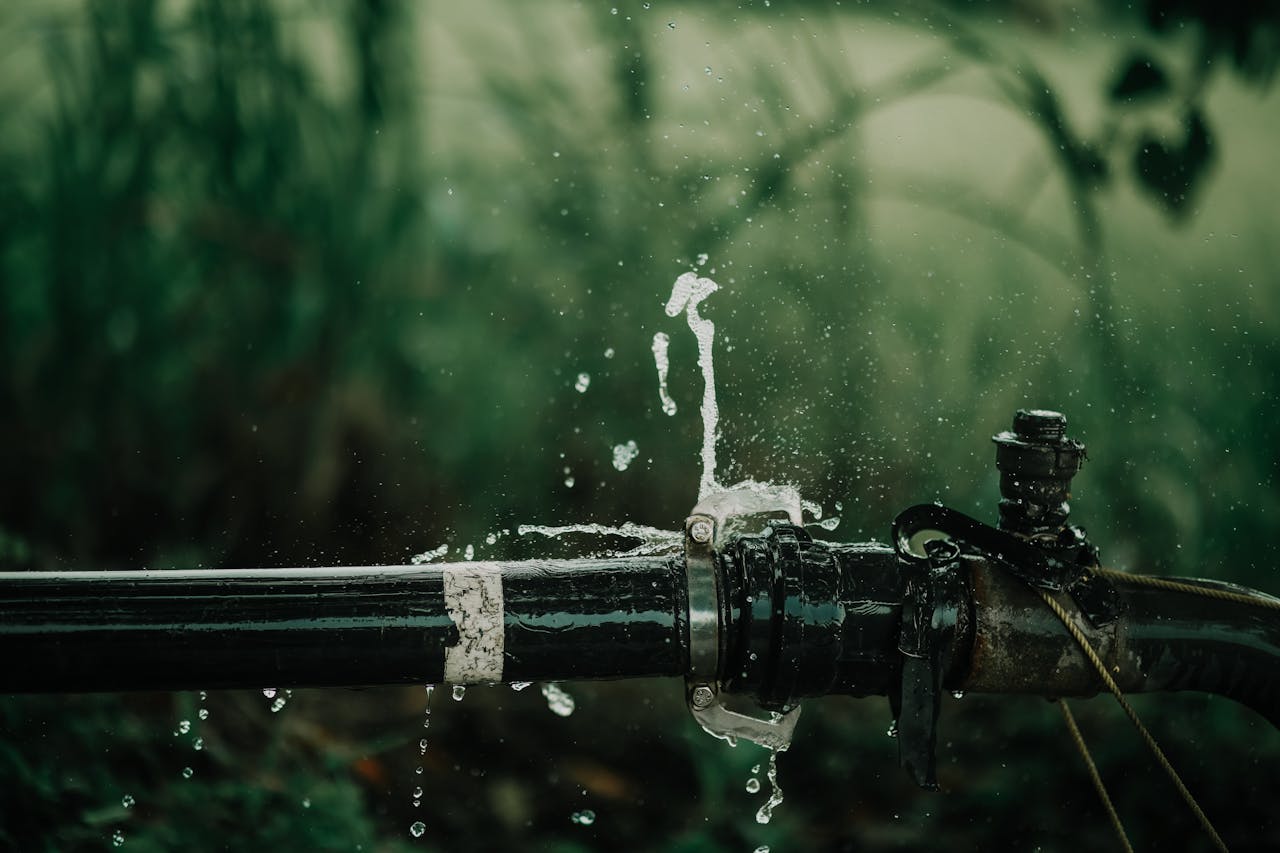
Coastal environments bring a unique set of challenges to homes and buildings, especially when it comes to plumbing systems. In areas exposed to salty air, high humidity, and fluctuating weather patterns, hidden water leaks can develop faster and become more severe than many property owners expect. These issues often remain unnoticed until they cause visible damage, making early awareness and proactive maintenance essential.
Durban’s climate, with its mix of coastal moisture and seasonal rainfall, creates the perfect conditions for plumbing vulnerabilities. Over time, this environment can accelerate corrosion, weaken pipe joints, and contribute to subtle structural shifts. These factors combine to increase the likelihood of concealed leaks forming behind walls, under floors, or within outdoor piping systems.
Understanding how environmental conditions contribute to plumbing issues helps property owners make informed decisions. Professional leak detection Durban services play a crucial role in identifying hidden problems before they escalate into costly repairs or health risks, particularly in coastal regions where damage can progress rapidly.
How Coastal Humidity Affects Plumbing Systems
Humidity is one of the most persistent environmental factors in coastal cities. Constant exposure to moist air affects both visible and hidden plumbing components. Pipes made from metal are especially vulnerable, as prolonged moisture exposure accelerates oxidation and corrosion.
Even non-metallic materials are not immune. Seals, joints, and adhesives can degrade over time when exposed to continuous humidity. This degradation often leads to micro-leaks that are difficult to detect without specialized tools.
In addition, high humidity levels contribute to condensation buildup. When warm, moist air comes into contact with cooler pipe surfaces, water droplets form. Over time, this repeated condensation can mimic or mask actual leaks, complicating the detection process and increasing the risk of unnoticed water damage.
The Impact of Salt Air on Pipe Integrity
Salt in the air is another major contributor to plumbing deterioration in coastal areas. Unlike inland regions, properties near the ocean are exposed to airborne salt particles that settle on surfaces, including pipes and fittings.
Salt accelerates the corrosion process, particularly in metals like copper and steel. This corrosion weakens pipe walls, making them more susceptible to cracks and leaks. Even small amounts of structural damage can lead to slow, hidden leaks that worsen over time.
Outdoor plumbing systems are especially at risk. Irrigation pipes, exterior taps, and exposed water lines face direct contact with salty air, increasing their vulnerability. Without proper protection or maintenance, these systems often develop leaks that go unnoticed until water pressure drops or visible damage appears.
Seasonal Rainfall and Underground Leaks
Durban’s rainfall patterns introduce another layer of complexity. Heavy rains can saturate the soil, placing additional pressure on underground pipes. This pressure can cause pipes to shift, crack, or disconnect at joints.
Waterlogged soil also makes it harder to detect leaks early. Excess moisture in the ground can mask signs such as pooling water or damp patches, delaying intervention. Over time, undetected leaks can erode soil around foundations, leading to structural instability.
Property owners should be particularly vigilant during and after rainy seasons. Changes in water pressure, unexpected increases in water bills, or persistent damp smells may indicate hidden issues below the surface.
Warning Signs That Should Not Be Ignored
Hidden leaks rarely remain completely silent. While they may not be immediately visible, they often present subtle warning signs that indicate underlying problems.
- Unexplained increases in water bills despite normal usage
- Persistent damp or musty odors in certain areas of the property
- Discoloration or bubbling paint on walls and ceilings
- Reduced water pressure in taps or showers
- The sound of running water when all fixtures are turned off
Recognizing these signs early can prevent extensive damage. Ignoring them, however, often leads to more complex and expensive repairs.
Why Professional Detection Methods Matter
Modern leak detection relies on advanced technology designed to locate hidden issues without causing unnecessary disruption. Traditional methods often involved breaking walls or digging up floors, which added to repair costs and inconvenience.
Today, professionals use non-invasive techniques such as acoustic sensors, thermal imaging, and pressure testing. These tools allow technicians to pinpoint the exact location of a leak with minimal damage to the property.
Accurate detection not only saves time but also reduces the risk of secondary damage. By addressing the root cause quickly, property owners can avoid complications such as mold growth, structural weakening, and long-term water waste.
Preventative Measures for Coastal Properties
Preventing leaks is always more cost-effective than repairing damage after it occurs. In coastal regions, proactive maintenance is especially important due to the added environmental stress on plumbing systems.
Regular inspections help identify early signs of wear and corrosion. Replacing aging pipes, reinforcing vulnerable joints, and applying protective coatings can significantly extend the lifespan of plumbing infrastructure.
Here are practical steps property owners can take:
- Schedule routine plumbing inspections at least once a year
- Use corrosion-resistant materials for replacements or upgrades
- Insulate pipes to reduce condensation buildup
- Monitor water usage for unusual changes
- Ensure proper drainage around the property to prevent soil saturation
These measures not only reduce the likelihood of leaks but also improve overall system efficiency.
The Cost of Ignoring Hidden Leaks
Failing to address hidden leaks can have serious financial and health implications. Water damage often spreads beyond the initial source, affecting walls, flooring, and even electrical systems. Over time, repair costs can escalate significantly.
Mold and mildew growth is another major concern. Damp environments provide ideal conditions for these organisms to thrive, potentially impacting indoor air quality and causing respiratory issues.
Structural damage is perhaps the most severe consequence. Prolonged exposure to moisture can weaken foundations, compromise load-bearing elements, and reduce the overall integrity of a building. These risks highlight the importance of timely intervention and professional assessment.
Long-Term Benefits of Early Detection
Investing in early detection offers both immediate and long-term advantages. It minimizes repair costs, preserves property value, and ensures a safer living environment. More importantly, it provides peace of mind, knowing that potential issues are addressed before they become major problems.
In coastal areas, where environmental factors constantly challenge infrastructure, staying ahead of plumbing issues is essential. By understanding the risks and taking proactive steps, property owners can protect their investments and avoid unnecessary disruptions.
Addressing problems through reliable leak detection Durban services ensures that hidden leaks are identified accurately and resolved efficiently, even in the face of challenging coastal conditions.


